The global cosmetics industry is booming, but success doesn’t come from selling beauty products—it comes from sourcing the right beauty products. Whether you’re launching a new cosmetics brand, expanding your retail shop, or importing products for resale, this guide will walk you step-by-step on how to source best-selling cosmetics that actually move fast and generate profit.
1. Understand What “Best-Selling” Really Means
Best-selling cosmetics are not always the most expensive or luxury items. They usually share these traits:
- ✅ Solve a real and visible problem (acne, dark spots, dry skin, aging)
- ✅ Show quick or noticeable results
- ✅ Easy to understand and use
- ✅ Affordable to the mass market
- ✅ Backed by social proof (reviews, before/after photos, influencers)
💡 Tip: Products that promise clarity, glow, hydration, anti-aging, or even skin tone consistently outperform others.
2. Identify High-Demand Cosmetic Categories
Before choosing suppliers, choose winning categories. These are globally proven best-sellers:


4
🔥 Top Performing Cosmetic Niches
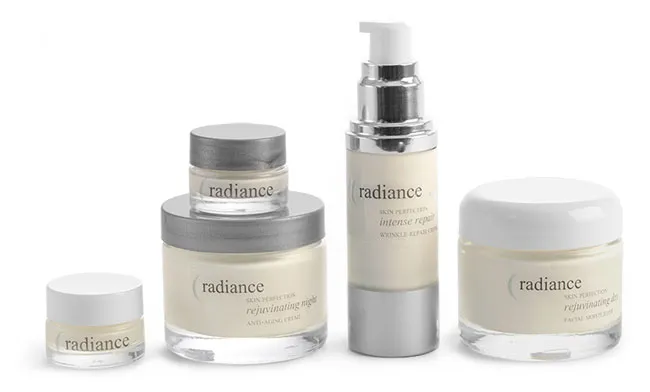
- Skincare: serums, sunscreens, moisturizers, acne treatments
- Natural & herbal cosmetics: aloe, turmeric, charcoal, shea butter
- Anti-aging products: retinol creams, vitamin C, peptides
- Hair care: oils, growth serums, anti-dandruff solutions
- Beauty tools: facial rollers, cleansing brushes, derma tools
If you are starting, skincare sells faster than makeup and has fewer shade/skin-tone complications.
3. Research Market Demand (Don’t Guess)
Smart sourcing is data-driven, not emotional.
Use These Tools:
- 🔍 Google Trends – check if product demand is rising or falling
- 🛒 Amazon Best Sellers – see what’s already selling
- 📱 Instagram & TikTok – search hashtags like
- #SkincareRoutine
- #GlowSkin
- #AcneSolution
- 🛍️ Local market observation – pharmacies, beauty shops, salons
📌 Rule: If people are repeatedly searching, posting, and buying—it sells.
4. Choose the Right Sourcing Location
Different countries dominate different cosmetic strengths:


4
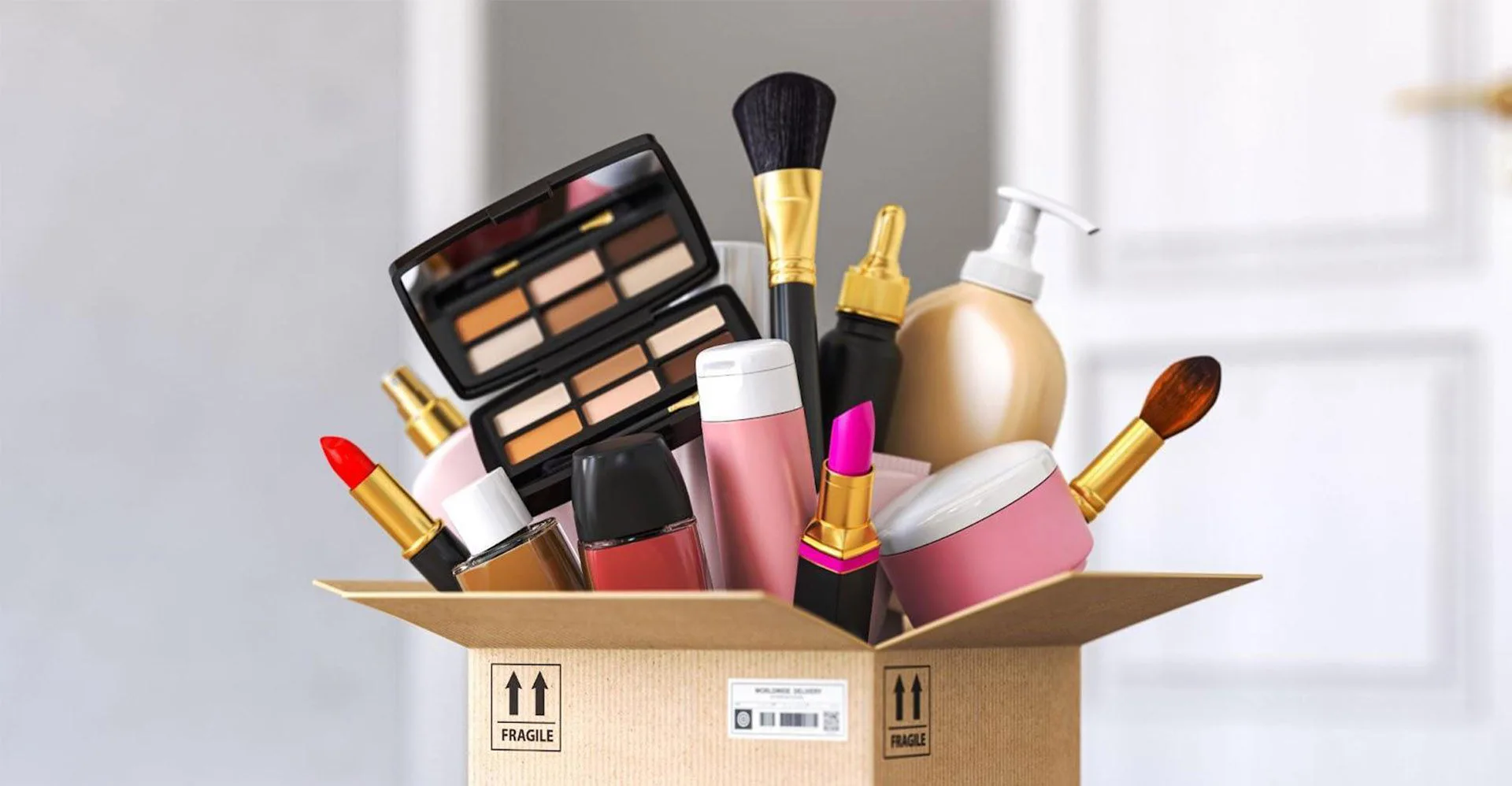
🌍 Best Countries to Source Cosmetics
- China: Private label, affordable mass production
- South Korea: High-quality skincare innovation (K-Beauty)
- India: Herbal, Ayurvedic, natural cosmetics
- Turkey: Premium packaging & perfumes
- Europe: Dermatology-grade and organic products
If you plan to build your own brand, private-label manufacturers are ideal.
5. Verify Quality, Safety & Compliance
Never skip this step—especially for skin products.
Always Check:
- 🧪 Ingredient list (avoid banned or harsh chemicals)
- 📄 Safety documents (MSDS, COA, GMP)
- 🧴 Product stability & shelf life
- 🏷️ Proper labeling (ingredients, expiry, usage)
⚠️ One bad product can destroy your entire brand reputation.
6. Start With Samples, Not Bulk Orders
Before placing a big order:
- Order samples
- Test texture, smell, absorption, packaging
- Let real users try it
- Collect feedback before scaling
💡 Many top cosmetic brands started with 10–50 test units only.
7. Calculate Profit Before You Import
Best-selling products must also be high-margin products.
Simple Profit Formula:
Selling Price – (Product Cost + Shipping + Tax + Marketing) = Profit
Aim for:
- ✅ 2x–4x markup minimum
- ✅ Fast-moving stock (avoid dead inventory)
- ✅ Affordable repeat purchase items
8. Build Trust Through Branding & Education
People don’t just buy cosmetics—they buy confidence and results.

4
What Builds Sales Fast:
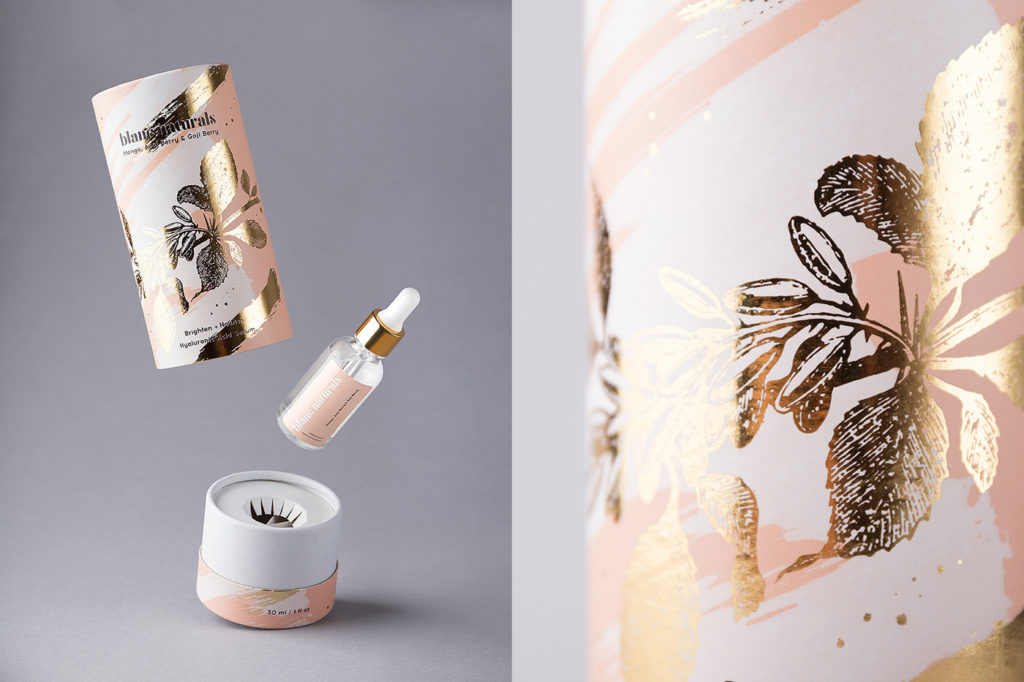
- Clean, professional packaging
- Clear benefits (not complicated science)
- Education content (blogs, reels, FAQs)
- Before & after images (where allowed)
🧠 Educated customers buy more and complain less.
9. Test, Scale, Repeat
Once a product sells consistently:
- Increase order volume
- Improve packaging
- Expand variations (sizes, bundles)
- Add complementary products
This is how one cosmetic product becomes a full beauty brand.
Final Thoughts
Sourcing best-selling cosmetics is a system, not luck.
✔ Research demand
✔ Choose the right category
✔ Verify quality
✔ Test before scaling
✔ Brand with trust
If you master these steps, you don’t just sell cosmetics—you build a long-term, profitable beauty business.